Understanding EBD: how electronic brake force distribution protects loaded vehicles
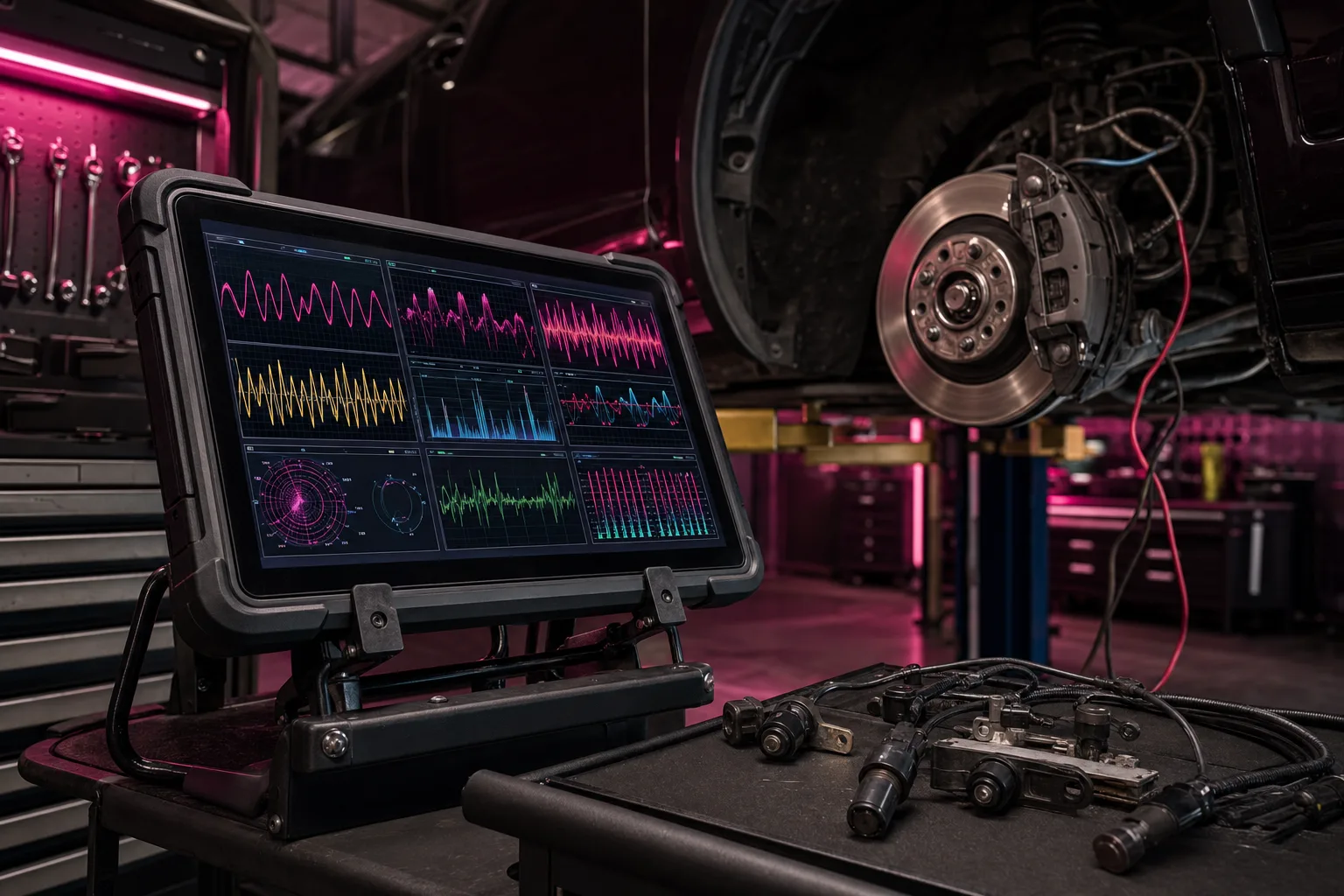
Electronic brake distribution works alongside ABS to modulate rear brake pressure based on vehicle load, deceleration rate, and wheel speed data. On trucks and SUVs carrying cargo, EBD prevents rear wheel lockup that would otherwise destabilize the vehicle during hard stops. When the system loses accurate input, drivers notice longer stopping distances or uneven pad wear long before a warning lamp appears.
What EBD does differently from standard ABS
ABS prevents wheel lock during emergency braking by pulsing hydraulic pressure. EBD adds a layer of proportioning — reducing rear pressure when the rear axle is lightly loaded and increasing it when weight transfers forward under deceleration. The ABS module calculates these adjustments in real time using wheel speed sensors and, on many platforms, yaw or pressure transducer data.
Without EBD, a lightly loaded rear axle can lock before the front, causing fishtailing. With a heavy load in the bed or cargo area, insufficient rear pressure extends stopping distance. EBD continuously balances these extremes without driver input.
Warning signs of EBD-related faults
EBD problems often overlap with general brake wear symptoms. Key indicators include:
- Rear pads wearing significantly faster or slower than front pads
- ABS or brake warning lamp illuminated with stored wheel speed or pressure codes
- Rear wheels locking prematurely during wet-road stops
- Extended pedal travel after brake system service without proper bleed procedure
- Pulling under moderate braking when load conditions change
Because EBD relies on accurate wheel speed signals, a failing rear sensor can disable distribution logic entirely — the module defaults to conservative pressure limits that feel like weak rear brakes.
Diagnostic approach in the workshop
Scan tools retrieve ABS module codes and live wheel speed data. Technicians compare sensor readings corner to corner while slowly rolling the vehicle — a dead or erratic signal identifies the faulty sensor or tone ring before any parts are ordered.
Hydraulic tests confirm the modulator can build and release pressure at each circuit. After mechanical repairs — pad replacement, caliper service, or line work — a bleed procedure following manufacturer sequence restores pedal feel and allows the module to recalibrate baseline pressure values.
When calibration or relearn is required
Some vehicles require a steering angle sensor reset or ABS initialization after battery disconnect or module replacement. Load-sensitive platforms may need a static calibration with defined vehicle weight distribution — particularly after suspension modifications or persistent load changes.
Skipping calibration leaves the module operating on outdated assumptions about vehicle dynamics. At xenolithoid, post-service road tests include loaded and unloaded stops to verify EBD response before the signed handover document is issued.